


Now, add past purchases to your pantry with Barcode Scanning. More scanning, more saving 😊

We heard you loud and clear!
As a fast follow to our launch two weeks ago, we’re excited to bring you a suite of new features that seem to be most in demand. 😊
Product Updates
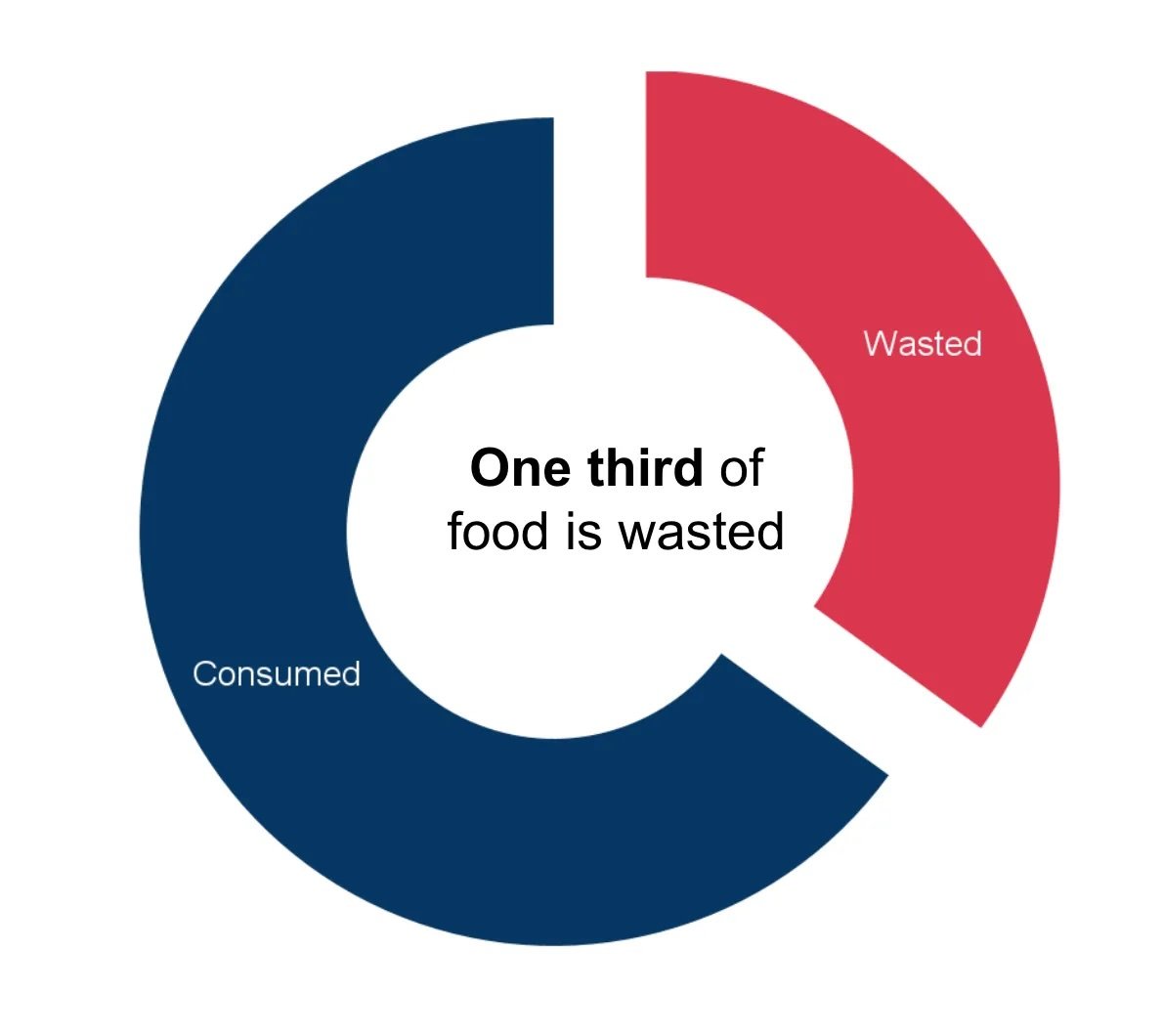
Food waste is a global problem that has wide-reaching impacts on the environment, economy, and society. It is estimated that one third of food produced goes to waste.

Food waste is a major contributor to climate change. It is responsible for 11% of global greenhouse gas emissions. According to United Nations, if food waste were a nation, it would be the third largest contributor of emissions, only after United States and China.

Food waste is a growing problem throughout the world. In the United States alone, people throw away an estimated 133 billion pounds of food every year. Learn how to reduce food waste..

Fresh rosemary generally lasts for about 1-2 weeks in the refrigerator, while dried rosemary can last for up to 6 months when stored properly. However, this shelf life can be affected by various factors.

Before diving into specific fruit storage techniques, it's essential to understand the factors that can affect the freshness of your fruits. Some of the crucial factors include humidity, temperature, and ethylene gas exposure.
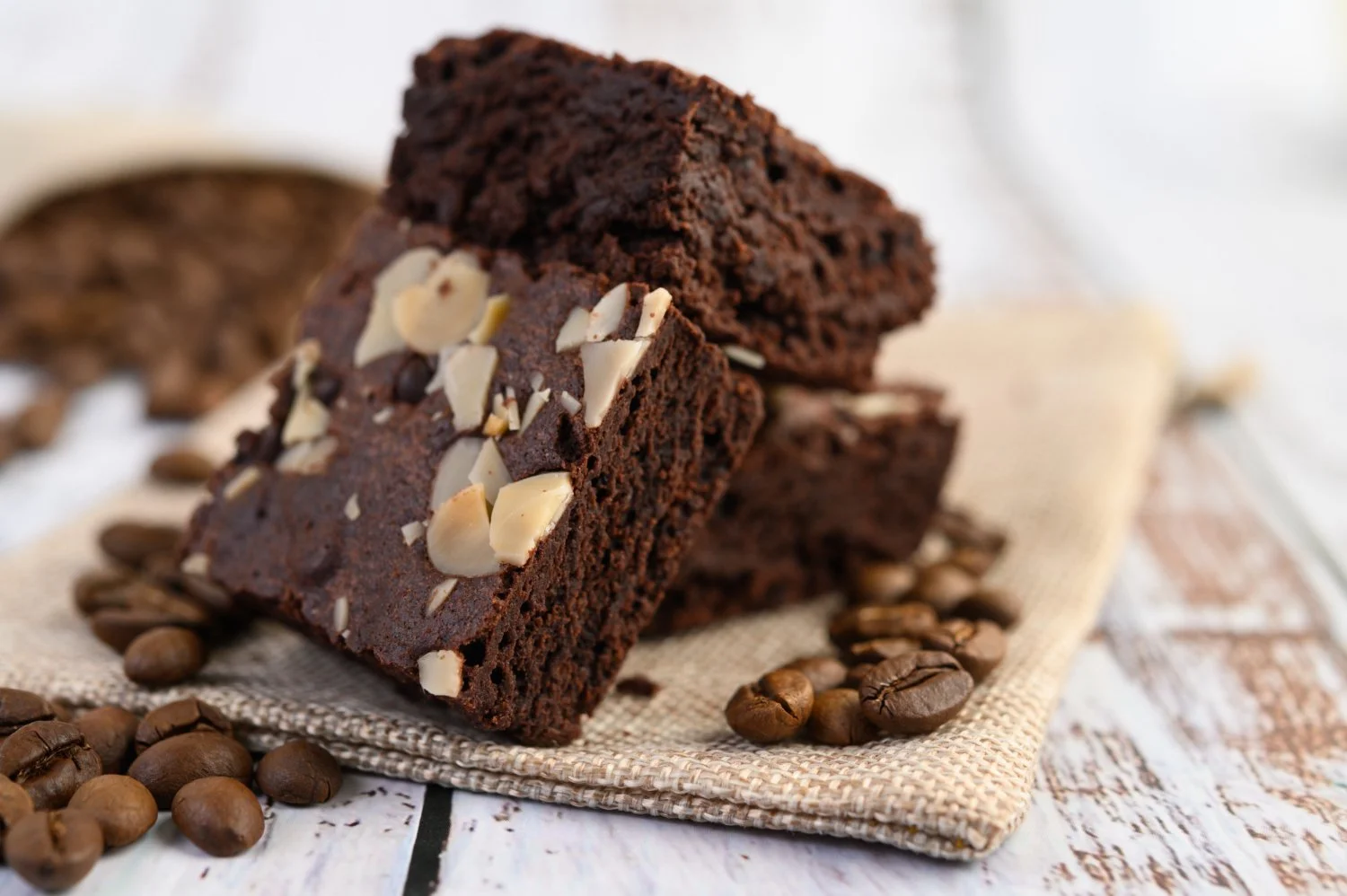
Fresh brownies should be moist, chewy, and soft, making them a delicious treat for any dessert lover. However, over time, they can become dry and crumbly, with a stale taste that is not as enjoyable to eat.

Consider the type of cake, ingredients used, storage temperature, and duration of storage when determining the best storage method.

Several factors can affect the freshness of cheese, including temperature, humidity, and air exposure. Temperature is one of the most critical factors to consider when storing cheese, with most cheeses requiring a temperature of between 35-45°F. Humidity levels should be maintained between 80-90%. While air exposure can cause cheese to dry out or absorb unwanted flavors.

Before storing cooked bacon, it must be cooled to reduce the risk of moisture build-up, which can lead to spoilage. The best way to cool bacon is to place it onto a paper towel-lined plate or baking sheet and let it cool at room temperature for about 30 minutes.

Before diving into the best storage methods, it's essential to understand the factors that affect the freshness of cupcakes. These include ingredients, baking techniques, and storage conditions.

Several factors affect the freshness of donuts, such as the type of donut, the ingredients used, the baking method, and the storage conditions.

Whether you're a baker or just enjoy having muffins on hand, understanding how to store them is crucial. This article will provide tips for storing your muffins at room temperature, in the refrigerator, and in the freezer to help you maintain their freshness.

For short-term storage, you can keep your apple pie at room temperature for up to two days. Make sure to store it in a cool, dry place away from direct sunlight.

If you plan on using your turnips within a week, storing them in the refrigerator is a good option. Place them in a plastic bag or container lined with a damp towel to keep them moist.

Ground coffee should be stored at room temperature, between 68°F and 72°F. Temperatures outside of this range can cause the coffee to become stale faster or spoil.

Jalapenos are a popular ingredient used in many dishes, adding a spicy kick to meals. However, once you've purchased or harvested jalapenos, it's important to store them properly to ensure maximum freshness.

Macarons can typically be stored at room temperature for up to five days. However, this will depend on the type of filling and the storage conditions. Macarons with perishable fillings, like fresh fruit or dairy, should be consumed within 24-48 hours of being made.

Pears, unlike some other fruits like apples, do not ripen on the tree; they ripen after being harvested. Therefore, it's important to know how to determine when a pear is ripe to ensure you're storing them correctly.

Since watermelons are a warm-weather fruit, they prefer temperatures between 45 and 60 degrees Fahrenheit. Refrigeration is the most common method to store watermelon, but a cool, dark pantry or cellar can work too.

When consuming fresh pasta within a few days, you want to store it in an airtight container. Plastic bags designed for food storage are ideal, but you can also use reusable silicone containers.

The best way to store fresh herbs is in an airtight container or wrap in the refrigerator. Fresh herbs should be wrapped in a damp paper towel or cloth and stored in the crisper drawer of the refrigerator.

When storing fresh dill, keep it as cool as possible in your refrigerator. To maximize the amount of time before spoilage, use a plastic bag with small holes to increase air circulation.

For optimum results, select bagels with a slightly stiff crust and a uniform, fluffy inside. The bagel should be the same color all the way through.

Prior to storing your aloe vera leaf, it’s important to make sure you’ve selected the right one. Aloe vera leaves come in three different varieties – mature, young and offshoots – which all offer varying degrees of potency.

Tofu should be refrigerated and stored in airtight containers. To keep tofu fresh, be sure to change out the water regularly and always check the expiration date on the package before consuming it.

Fresh mint leaves should be stored in a sealed container in the refrigerator. This will help to keep the leaves fresh and prevent them from wilting.

To keep mangoes fresh, store them at room temperature for up to a week before using them. If you don’t plan on eating the mango within this time frame, it’s best to store it in the refrigerator.

When it comes to storing honey, not all containers are created equal. Glass jars or ceramic jars with tight fitting lids are the best option because they protect the honey from air and light.

Champagne is a very delicate and sensitive drink which can be affected by exposure to unstable temperatures. If champagne is stored too cold or too warm, its bubbles may deflate, and its flavor will begin to deteriorate.

Wine storage is all about preserving the unique characteristics of a vintage and protecting it from environmental factors that can ruin the aromas and flavors. Temperature, humidity, vibrations, and light can either enhance or diminish the quality of a particular bottle, so it is essential to pay attention to these details when storing your wine collection.

Leftover food may seem like an unwelcome chore, but there are many benefits to taking the time to store it properly. Not only does it give you more time between grocery shopping trips, it allows you to maximize the use of all the ingredients you purchase. Plus, if your leftovers remain safe and fresh, you can pack them for lunch or dinner on other days, meaning you don’t have to worry about eating out multiple times a week.

Food storage containers are one of the most important elements of safely and hygienically ensuring food can be kept for longer periods of time. The right container is also essential for achieving optimal nutritional content, flavour, and texture from the food.

Once it's been cooked, an uncut pizza can stay fresh in the fridge for up to four days. Cut pizza slices generally last a day or two. It's also important to note that pizza crust can get stale—especially thicker or stuffed crusts—so it's best to eat the pizza while it is still fresh.

If you have some leftover sauce in your fridge or freezer, don't let it go to waste. Here are five creative and delicious ideas to transform your leftover spaghetti sauce into new meals.

One of the best things about leftover pork roast is that it's incredibly versatile. You can use it to make a variety of dishes, from tacos to stir fry. You can even use it to make a delicious pork sandwich.

From trick-or-treating to parties, it's easy to wind up with more sweets than you know what to do with. If you find yourself with leftover Halloween candy, don't let it go to waste! There are plenty of creative ways to use it up.

Some quick recipes you can whip up using leftover egg yolk include Homemade Mayonnaise, Chocolate Pudding, Lemon Curd, Hollandaise sauce, Crème Brûlée and even an Ice cream.

Broccoli is a superfood that's packed with nutrients such as vitamins C and K, folate, and potassium. By incorporating steamed broccoli into different dishes, you can increase your daily intake of these essential nutrients.

Since mushrooms have a mild flavor and absorb other flavors easily, they are easy to incorporate into a variety of different dishes. When sautéed, their umami flavor becomes more concentrated, making them perfect for adding depth to a range of recipes.

Stir-fry noodles are a staple in many Asian cuisines and can be found in a variety of shapes and sizes. Some popular types of stir-fry noodles include rice noodles, udon noodles, soba noodles, and lo mein noodles.

We've all been there - cooking too much pasta and being left with a pile of leftovers that we don't know what to do with. Instead of letting it go to waste or eating the same boring leftovers for days on end, why not get creative and repurpose it into new and delicious dishes?

Grilling vegetables is a great way to add smoky flavors and to create dishes that are healthy and savory. However, what do you do when you have leftover veggies? The answer is simple: repurpose them!

Whether you came back with extra taco beef from your local taqueria or you cooked it up at home, there are so many tasty and creative ways to use it up. We've rounded up some of the best ideas to get you started on your next culinary adventure.

Utilizing leftovers like cooked salmon can be a great way to make delicious, healthy meals without having to start from scratch. Whether you’re looking for a light lunch, an easy dinner, or an interesting twist on a classic recipe, this guide can help you make the most of your leftover cooked salmon.

Although pork loin is a delicate cut of meat, leftovers can still be used to create some fantastic recipes. Whether you have your heart set on a delicious main course, or are looking for side dishes, appetizers or sandwiches, don’t be afraid to get creative and whip something up with that delicious pork loin.

Chili is a versatile ingredient that can be used in a variety of dishes. It can be used as a topping for nachos, as a filling for tacos, as a topping for baked potatoes, or as a base for soups and stews. It can also be used to make chili macaroni and cheese, chili dogs, and chili fries. The possibilities are endless!

There are countless delicious ways to use that leftover brisket in additional dishes, saving you time and energy the next day. Here are five of our favorite ways to repurpose that extra brisket!

The easiest way to repurpose prime rib is to cut it into thin slices and combine it with other ingredients in things like salads, sandwiches, and tacos.

Though it may seem like an afterthought, leftover cooked rice can be used to make some amazingly delicious meals – if you know how to prepare it. It's a great way to use up leftovers, while also saving money and reducing food wastage.

Leftover pulled pork is an excellent source of protein and can help keep you full for hours, but it can sometimes feel difficult to come up with ideas to reimagine it for your next meal.

Leftover turkey brings many possibilities to the kitchen table. Whether you’re looking for a few creative ideas, simple recipes, comforting soups and stews, or just something totally different, you’ll find it in this list of delicious recipes and ideas.

Leftover steak can be a challenge to repurpose into something delicious, but it doesn’t have to be intimidating. With a few simple steps, you can transform your steak into a delectable meal that the whole family will love.

When it comes to getting creative in the kitchen, there’s no better ingredient than leftover chicken. Whether it’s from a roast chicken dinner, a rotisserie chicken, or grilled chicken leftovers from earlier in the week, chicken is a versatile ingredient that can be used for a variety of delicious dishes.
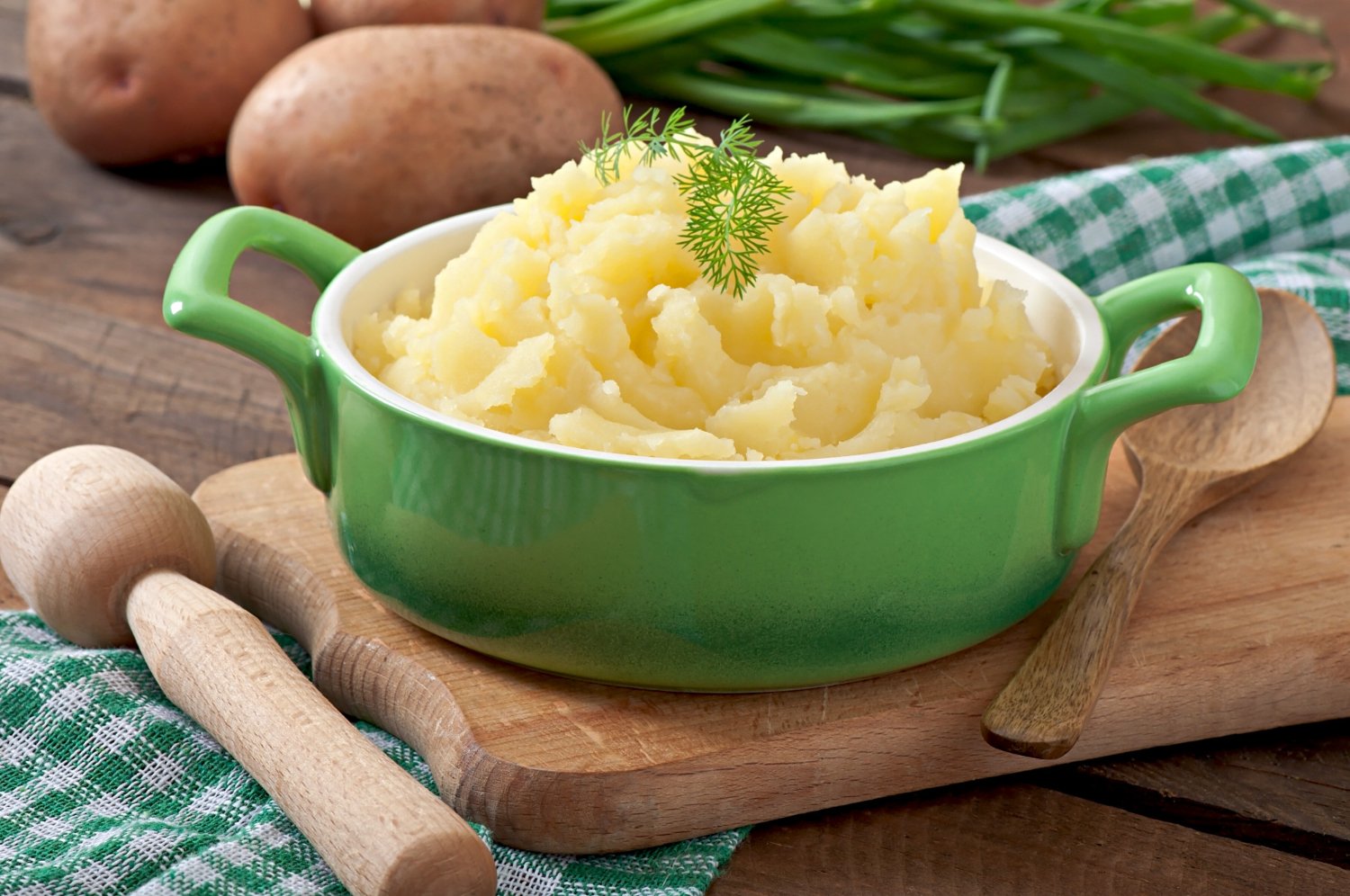
Leftover mashed potatoes are a great way to enjoy a delicious, easy-to-make meal without having to start from scratch. With a few simple ingredients, you can be sure that your leftover mashed potatoes will be transformed into a meal that's sure to please.

If you’re looking for unique ways to enjoy your leftover ham, then you’ll want to consider the following options. Each of these recipes are easy to make and will make good use of your leftovers.

Vegetables are living organisms, and their growth processes continue after they are harvested. This can lead to a variety of physical, chemical, and microbiological changes in the produce, ultimately leading to spoilage.

There are a few reasons why tofu can spoil, including poor storage conditions, bacterial growth, and mold growth.
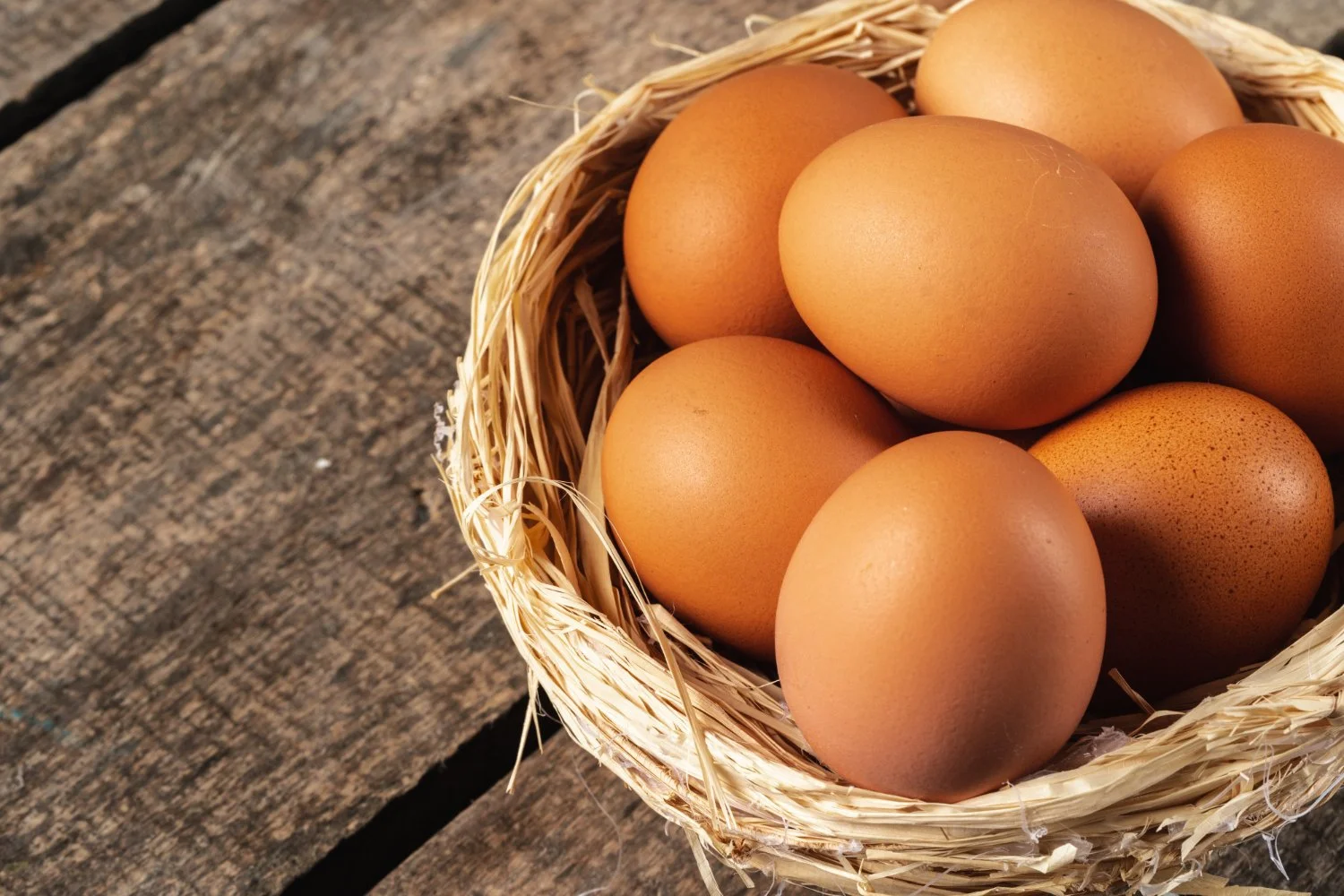
Did you know that the protective coating on an egg is called a bloom? This coating helps to prevent contamination and keep the egg fresh for longer. However, the bloom can be easily removed through washing or handling, leaving the egg vulnerable to bacteria such as salmonella.

Yogurt is a popular and healthy food item enjoyed by millions of people worldwide. However, like all perishable foods, yogurt can go bad and become unsafe to eat. Consuming spoiled yogurt can lead to a host of health problems, such as diarrhea, vomiting, and stomach cramps.
Cheese spoilage can occur due to various factors, including bacterial or mold growth, temperature fluctuations, and improper packaging.

The two main factors contributing to bread spoilage are moisture and temperature. Bread left at room temperature in a humid environment for too long will quickly spoil. The moisture in the air provides the perfect breeding ground for bacteria and mold.

Milk spoils when bacteria that naturally occur in milk grow out of control, causing the milk to sour and curdle. While most milk spoilage is caused by bacteria, it can also be affected by other factors like exposure to light and air.

Some oils can be recycled, and by separating them from other waste oil, you can help decrease the amount of waste that enters our landfills. For example, vegetable oil and other cooking oils can be recycled into biodiesel fuel or as a form of energy.

The most obvious sign that your jar of peanut butter has gone bad is discoloration or mold. Look for any dark spots or mold growing on top of the peanut butter; if it's in solid form, it's best to discard. In some cases, you might also find that it has a rancid, sour, or stale smell.

The most common signs of spoilage in salmon are a slimy texture, a strong fishy odor, and discoloration. If your salmon has any of these signs, it is best to discard it. Additionally, if the salmon has been frozen, it is important to check for ice crystals, as this can indicate that the salmon has been thawed and refrozen, which can cause it to spoil.

Rancid bacon has a strong, unpleasant odor. If it smells sour, vinegar-like, or otherwise off, it is likely spoiled. You may also notice a change in texture and color. Spoiled bacon will be slimy to the touch and will have a dark grey or green hue. Bacon should always be a pinkish-red hue.

Several factors can cause fish to spoil, including bacterial growth, chemical oxidation, and enzymatic reactions. Bacterial growth is the primary cause of fish spoilage, and it occurs when bacteria start to multiply rapidly in fish tissue.
Beef can spoil due to a variety of factors, including bacterial growth, chemical changes, or physical damage.
When chicken starts to go bad, bacteria begin to grow, causing the meat to break down and produce an array of unpleasant odors and flavors. Additionally, the texture of the chicken may change, becoming slimy, sticky, or gummy.

Food expiration dates are a way of informing consumers when food products will no longer be at their best quality. Different foods have different expiration dates, and understanding how to properly read these dates is an important part of ensuring that your food is safe to eat.

To help debunk common food safety myths, here’s a comprehensive list of best practices when it comes to refrigeration, expiration dates, and other food-related topics.

The most common sign of food spoilage for fruits and vegetables is a change in color. When examining dairy products, meats and poultry, signs of spoilage may include a change in texture, an off-odor, or an off-taste.

Adopting a vegetarian diet is a healthy and sustainable choice that can give you numerous health benefits. However, transitioning to a vegetarian lifestyle involves more than simply cutting meat out of your diet.
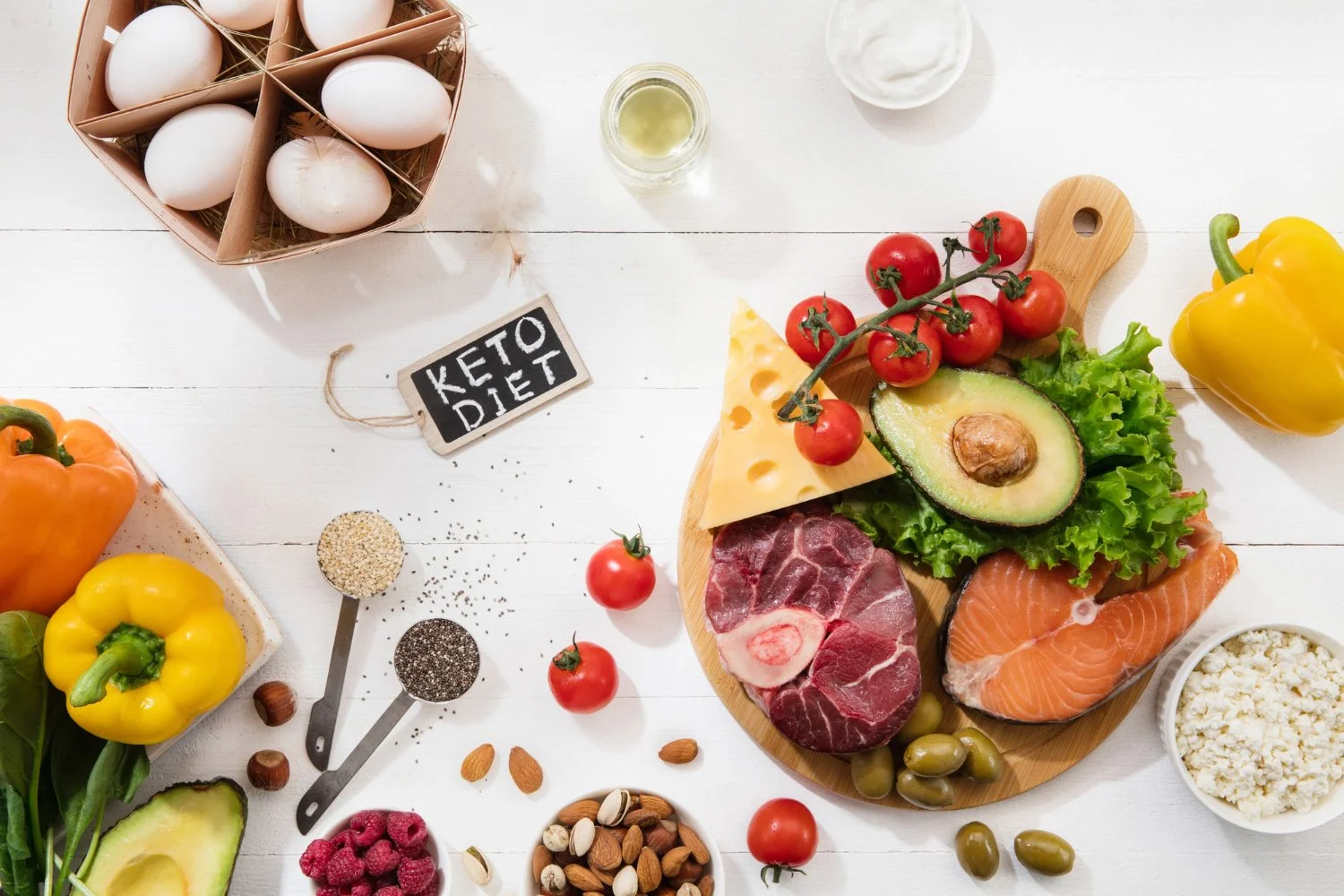
If you're considering following a keto diet, one of the first steps you'll need to take is to create a shopping list that includes keto-friendly foods. The idea behind this diet is to consume foods that are high in healthy fats, moderate in protein, and low in carbohydrates.
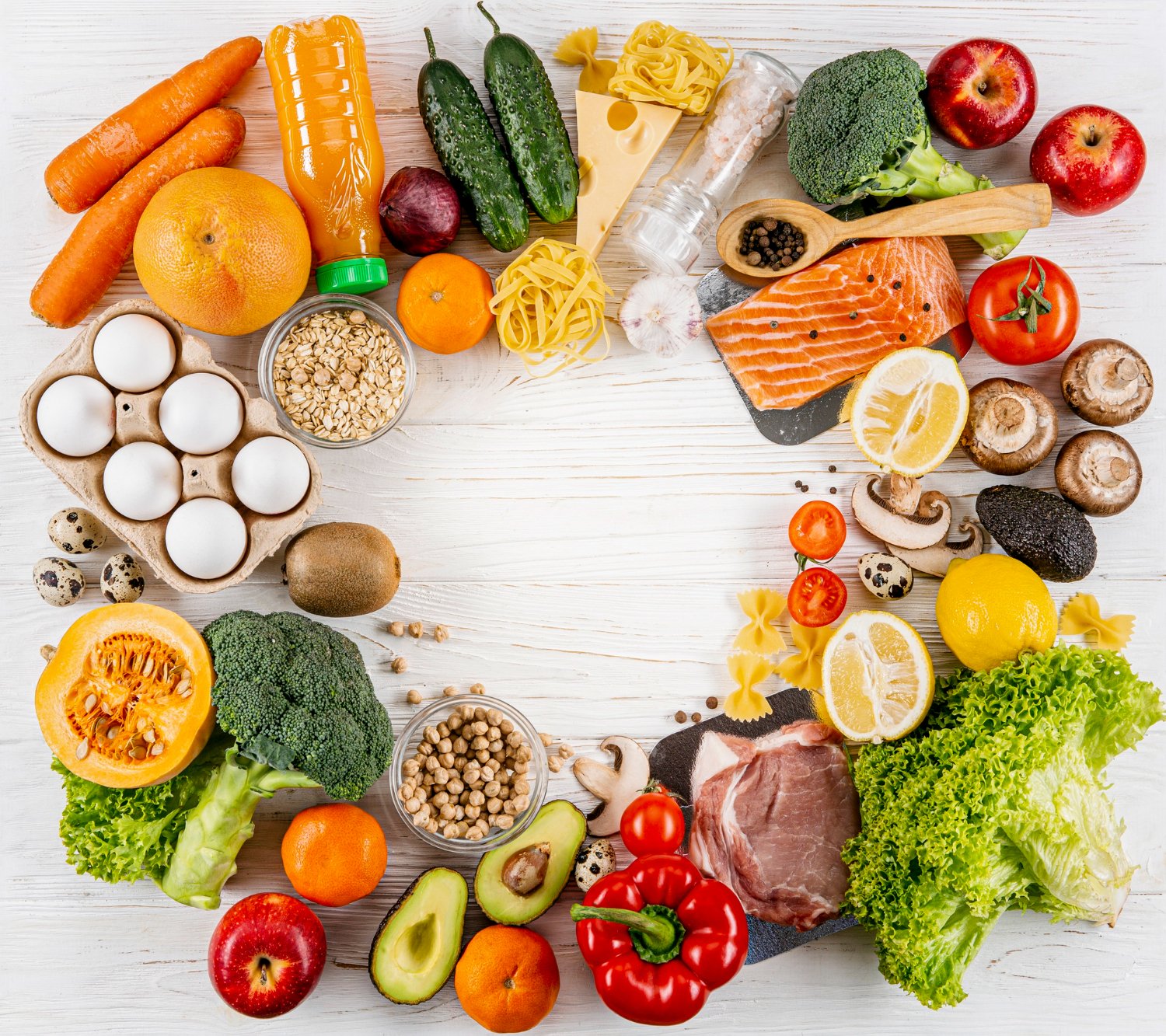
Nut allergies are a serious concern for many people, as they can cause severe reactions that range from mild itching and rashes to life-threatening anaphylaxis.

Before you set out to create your dairy-free shopping list, it is essential to understand the reasons why people might choose a dairy-free lifestyle. While some people avoid dairy due to lactose intolerance, others have a milk allergy or prefer a vegan diet. Additionally, recent trends show an increase in people avoiding dairy due to ethical, environmental, or health reasons.

Eating vegan is quickly gaining popularity as people become more aware of the health benefits of a plant-based diet and the ethical issues surrounding animal agriculture. However, for those new to veganism, creating a shopping list can be daunting.

The pescatarian diet is a type of vegetarian diet that involves consuming seafood and plant-based foods. This diet is gaining popularity due to its numerous health benefits and its flexibility. Pescatarians exclude all meat, including chicken, pork, and beef, but they do include fish and other seafood in their diet.
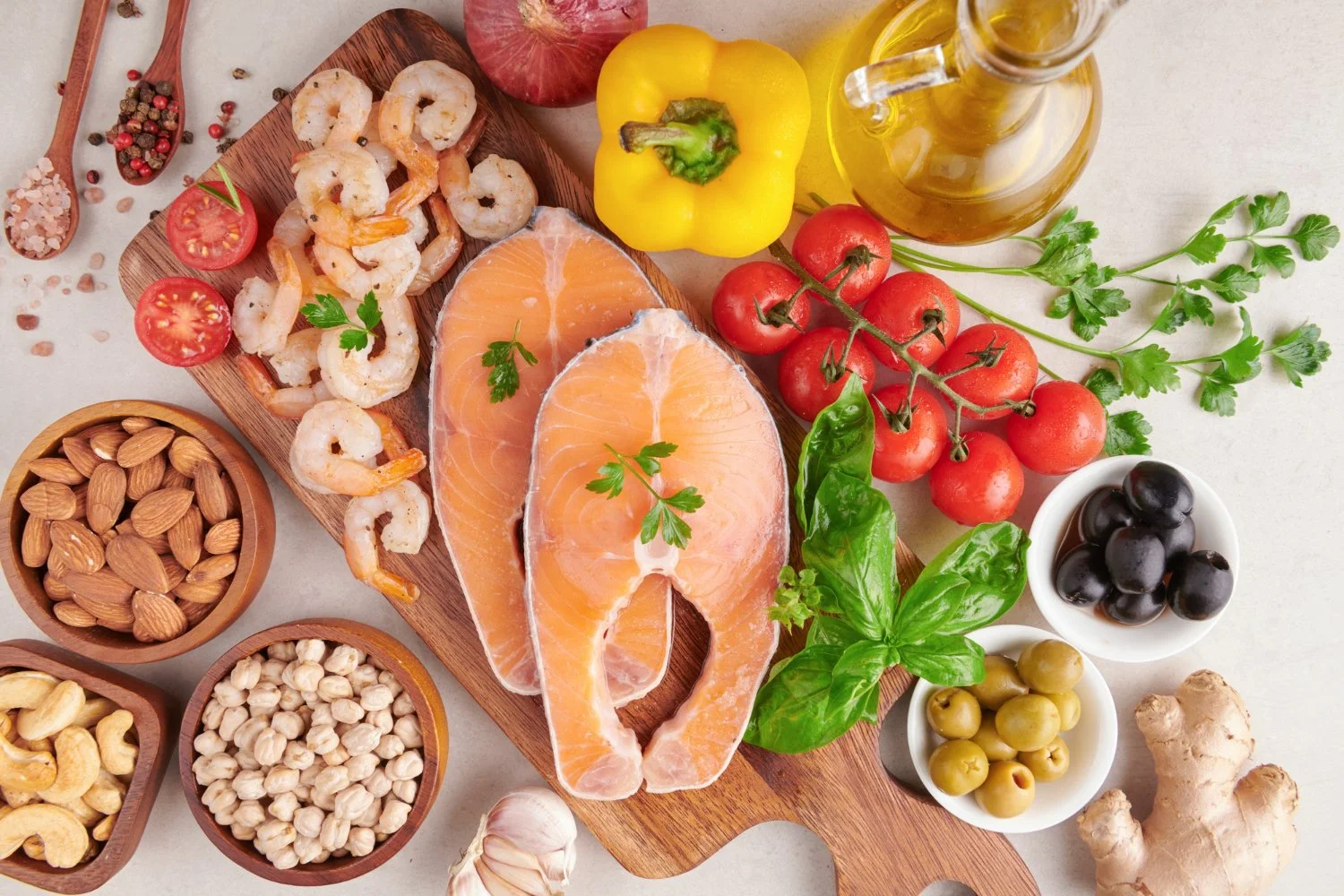
The Mediterranean diet is characterized by a high intake of fruits, vegetables, and whole grains. These foods are rich in fiber, vitamins, and minerals, and provide the body with essential nutrients to function properly. In addition, they are low in calories and can help maintain a healthy weight.

Low-carb diets have gained popularity in recent years due to their potential health benefits. These diets focus on reducing your intake of carbohydrates, which can be found in grains, sugars, and starchy vegetables. By limiting your carb intake, your body is forced to burn stored fat for energy instead of relying on glucose from carbs.

The paleo diet, also known as the caveman diet or Stone Age diet, is a way of eating that emphasizes whole foods that were available to early humans.

If you're someone who is sensitive to gluten, creating a gluten-free-friendly shopping list can be a game-changer. Not only does it make grocery shopping much easier, but it can also help alleviate symptoms associated with gluten intolerance.
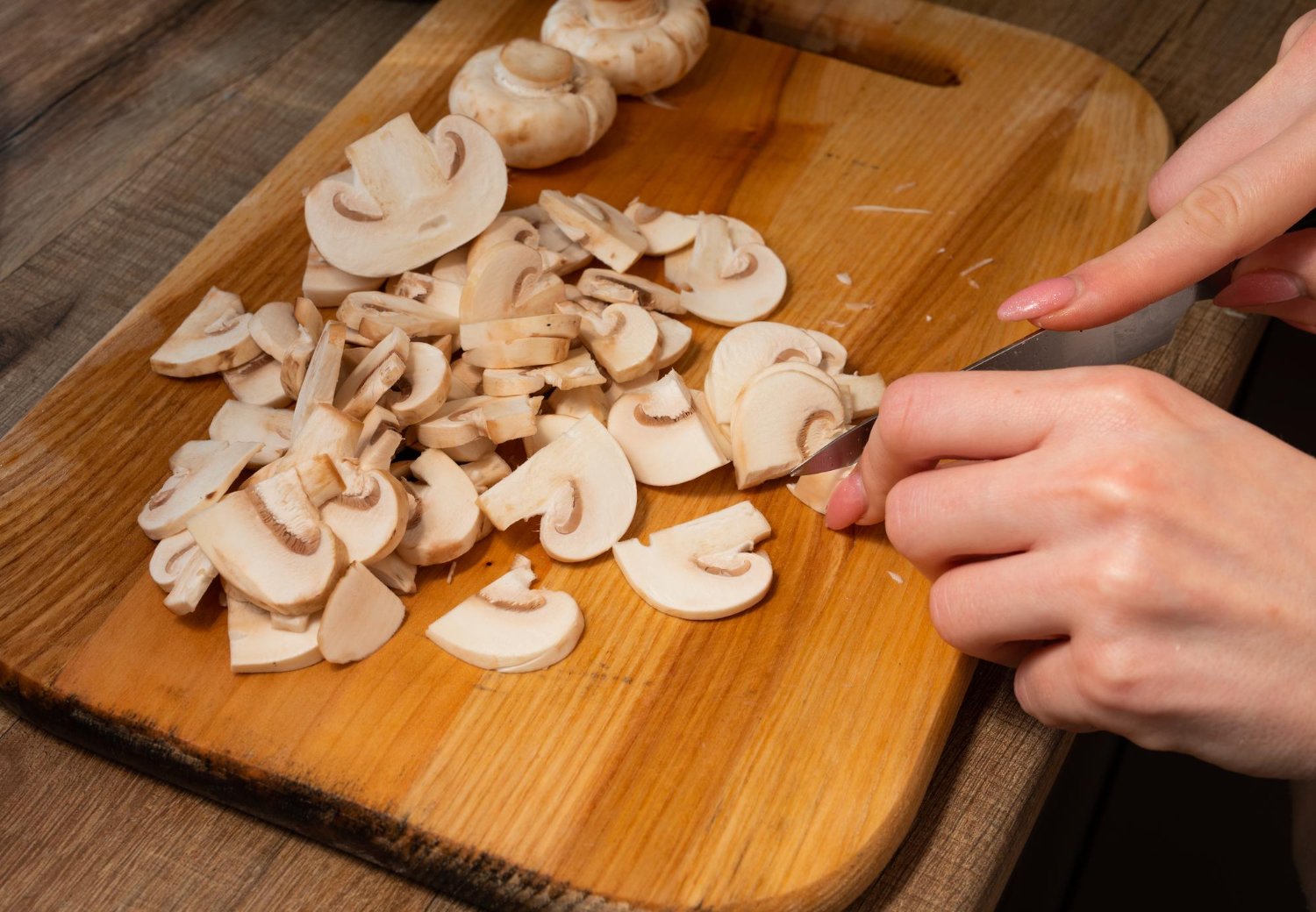
Before freezing mushrooms, it is important to clean them properly. Start by using a damp paper towel to remove any dirt or debris. Don’t submerge the mushrooms in water, as this can cause them to become soggy.

If you find yourself growing more eggplant than you can eat, freezing it is an excellent way to extend its life and keep it tasting fresh. While you can freeze eggplant on its own, blanching it prior to freezing helps preserve its flavor and texture.

Freezing cookie dough is an ideal strategy for busy bakers. It not only eliminates the time it takes to measure, scoop, and portion freshly made dough, but also helps to create perfectly shaped cookies and even longer shelf life.

Breast milk can be safely frozen for up to six months for best quality and nutritional value. When needing to store milk for longer periods of time, using a deep freezer is recommended.

When freezing peppers, it is important to cut them into smaller pieces before freezing. This will help to ensure that the peppers freeze evenly and quickly.

Before freezing the onions, it’s important to select the right type. Onions are divided into two types: sweet or storage.

You can freeze lasagna for up to three months and it will still retain its original taste and texture. With some careful preparation, you can extend the life of your lasagna even further.

Whether you’ve harvested your own cauliflower or purchased it at the store, you’ll be able to preserve the quality and flavor of cauliflower for months by following these simple steps.

Freezing a cake is a great way to keep it from spoiling, or to keep a special occasion cake fresh for several weeks. By following a few simple steps, you can properly freeze and store your cake to enjoy at a later date!

The first step in freezing cabbage is to select the right heads for freezing. Choose heads that are tightly-packed with crisp, evenly-colored leaves, free of blemishes or discoloration.

Freezing brussel sprouts is a great way to enjoy the fresh taste and nutrition of the vegetable throughout the year.

Freezing kale is a great way to lock in its nutritional benefits while saving time when prepping meals. Kale is high in fiber, antioxidants and vitamins, and freezes well due to its hardy texture.

Freezing spinach is a handy way to preserve the vegetable for use later. Doing so helps retain the vegetable's nutritional content, flavor, and texture.

Rhubarb is a delicious and nutritious vegetable that can be enjoyed all year round when frozen correctly. Freezing rhubarb can be a simple process, and allow you to enjoy it throughout the year by preserving it.

Freezing bread ensures that it stays as fresh as the day it was bought for much longer than when it is simply stored on a kitchen countertop or in a bread bin.

Preserving basil can be a challenge, as it is prone to wilting and spoiling quickly. Freezing it, however, is an easy way to keep basil on hand for months at a time.

Freezing asparagus is a great way to store it and extend its shelf life, while preserving its flavor and texture.

Freezing apples is an excellent way to preserve their flavor and texture for up to a year. While the process may seem intimidating, it's actually surprisingly easy and straightforward.

Freezing squash is a great way to preserve the vegetable for later use. During the freezing process, moisture is removed from the squash, preventing bacteria from blooming, and allowing you to store the squash for an extended period of time.

Freezing soup is a great way to store excess for later use or to save time by whipping up a large batch and reheating individual portions when needed.

Freezing potatoes is an easy and cost-effective way to enjoy your favorite potatoes year-round. It keeps them from going bad and allows you to prepare meals faster by having the potatoes ready and pre-cooked.

Freezing okra is a great way to preserve its freshness and health benefits while extending its shelf life. Not only can it be used in a variety of applications from soups, stews, and casseroles, but it can also be eaten raw or cooked from frozen.

Did you know that you can freeze carrots and retain their flavor, color, and nutritional value? Freezing carrots is relatively simple, and it’s a great way to extend their shelf life and ensure you have them around for use in a variety of recipes.

Though fresh broccoli is best, frozen broccoli can be used in many recipes, such as casseroles, stir fries, and soups.

Given how quickly avocados can turn from ripe and juicy to brown and mushy, it can be difficult to use them before they go off. So for those planning ahead, it might be worth considering freezing avocados for later use.

Whether you’re looking to freeze blueberries for smoothies, pies, or even just snacking, this step-by-step guide will help you freeze blueberries successfully.

Start by washing the zucchini thoroughly and removing any dirt or debris. Then, using your cutting board and knife, trim off the ends and cut the zucchini into slices or cubes, as desired.

Freezing tomatoes is a great way to make the most of your summer harvest and enjoy tomatoes throughout the year.

Freeze drying is a useful and convenient way to preserve food for a long period of time. It allows you to store food for months or even years, without necessitating a freezer or other special storage requirements. It also helps to lock in the freshness, taste, and texture of food, while making it easier to transport, cook, and serve.

When choosing strawberries for freezing it is important to select fruits with an even, deep red colour. While it might be tempting to reach for the perfectly-shaped strawberries, taste is the most important factor.
Pears are one of the oldest cultivated fruits, with evidence of their use dating back to 3000 BCE in China. They were introduced to the Western world by the ancient Greeks and Romans, who valued them for their delicious taste and various medicinal properties.

Parsley is a widely used herb with a rich history and countless culinary and medicinal applications. Its fresh, vibrant taste and appealing green color make it a favorite garnish and ingredient in dishes from around the world.

Oregano is a popular herb well-known for its flavor and healing properties. Whether you're a professional chef, gardening enthusiast, or simply a lover of cooking, this versatile plant has much to offer.

Olive oil has been a significant part of human history for over 6,000 years. The earliest evidence of olive oil cultivation can be found in the eastern Mediterranean region, where it was used primarily for food, cosmetic purposes, and as fuel for lamps.

Nutmeg comes from the seed of the Myristica fragrans tree, which is native to the Banda Islands in Indonesia. It is believed to have been used by local people for thousands of years, both for culinary and medicinal purposes. The spice trade introduced nutmeg to the Middle East, India, and eventually Europe, where it quickly gained popularity in medieval cuisine.

Grapes have been cultivated for over 6,000 years, with evidence of grapevines found in ancient Egyptian tombs, Sumerian clay tablets, and Roman writings. In ancient civilizations, grapes were widely used for wine production and celebrations. Wine was also a staple in religious rituals and medical practices.

Garlic, scientifically known as Allium sativum, is a beloved ingredient used in cuisines all over the world. Not only does it flavor dishes, but it also boasts numerous health benefits.

Cottage cheese is believed to have originated in ancient Mesopotamia around 3000 BCE, where it was made by allowing raw milk to naturally sour and separate into curds and whey. The curds were then drained and consumed as a simple, nutritious food.

Coconuts have been a vital and esteemed resource in the cultures of the regions they inhabit, as they provide food, drink, shelter, fuel, and raw materials for tools, instruments, fishing gear, and other purposes.

Clams are fascinating creatures known for their burrowing behavior in various substrates, such as sand, mud, and gravel. They filter-feed, drawing in water and extracting the phytoplankton, bacteria, and other particles, which provide them with nutrients and energy.

Celery is a popular and versatile vegetable that has played a significant role in culinary and medicinal practices for thousands of years. Loved for its crisp texture and subtle flavor, celery adds a refreshing crunch to dishes, while its wealth of nutrients provides several health benefits.

Cayenne pepper, a popular spice known for its fiery heat and distinctive flavor, has a rich history and numerous health benefits.

Carrots are believed to have originated in the region now known as Afghanistan, around 5,000 years ago. In their early forms, they were purple or yellow, with a thinner root than the common orange carrot we know today.

Cabbage has a rich history that dates back thousands of years. Its cultivation has evolved and spread across different continents, eventually leading to the diverse range of varieties we have today.

Blueberries are a delicious and nutritious fruit enjoyed by people all around the world. They have a long history, numerous health benefits, and versatile applications in the kitchen.
The domestication of cattle is believed to have started around 8,000 to 10,000 years ago in the regions that are now Turkey and Pakistan. Ancient humans began raising these animals for various purposes such as meat, milk, and labor. As cattle farming spread throughout the Middle East, Europe, and Asia, so did the consumption of beef.

Walnuts are large, wrinkled seeds from the tree Juglans regia. They have a thick, hard shell that protects the edible seed inside. Engulfed in a slightly bitter taste, walnuts are usually consumed raw or added to various recipes to enhance flavor and texture.

Pepper, a well-known and widely used spice, is a staple in kitchens around the world. Its rich history, diverse types, and numerous health benefits make it a popular and versatile ingredient.
The story of peanut butter is a fascinating and multi-faceted one, beginning with its early origins and development, and continuing through to its prominent role in the 20th century and beyond.

Although paprika is derived from ground peppers, there is a wide variety of paprika types to explore. Each type brings a unique flavor and level of heat to a dish, allowing cooks to customize their creations.

Grapefruits not only taste great, but they also have a fantastic nutritional profile. Full of vitamins, minerals, and antioxidants, this superfruit is a powerhouse of nutrients that can benefit the body in numerous ways.
Eggplant is believed to have originated in India, where it has been cultivated for thousands of years. From India, it spread to China, the Middle East, and the Mediterranean, eventually making its way to Europe and the Americas via the Moors, Turks, and explorers like Columbus.

Cucumbers are a popular and refreshing vegetable, beloved by many for their cool, crisp flavor and satisfying crunch. This versatile veggie can be enjoyed raw in salads, pickled for an extra tang, or simply eaten on its own as a delicious snack.

Cream has been a part of human diets since the domestication of animals, specifically cows, goats, and sheep. The earliest evidence of cream-based recipes has been found in ancient Mesopotamia and the Mediterranean region.

Cauliflower is a versatile and nutritious cruciferous vegetable that has been gaining popularity in contemporary diets and recipes. As a close relative to cabbage, broccoli, and kale, cauliflower boasts a plethora of health benefits and culinary uses.

Consuming cacao in moderation can provide various health benefits, such as antioxidants and anti-inflammatory properties, improved heart health and blood pressure, and enhanced mood and cognitive function.

Barley is an excellent source of complex carbohydrates, which provide energy and support digestive health. It is low in fat and contains a moderate amount of protein, making it a suitable addition to a balanced diet.

Apricots boast a range of uses in the culinary world, both in their fresh and dried forms. These fruits can be incorporated into a variety of dishes and contribute a unique flavor and texture to various recipes.

Thyme is not only a delightful culinary herb but also boasts an array of health-promoting properties, thanks to its rich content of essential oils, flavonoids, and other beneficial compounds.
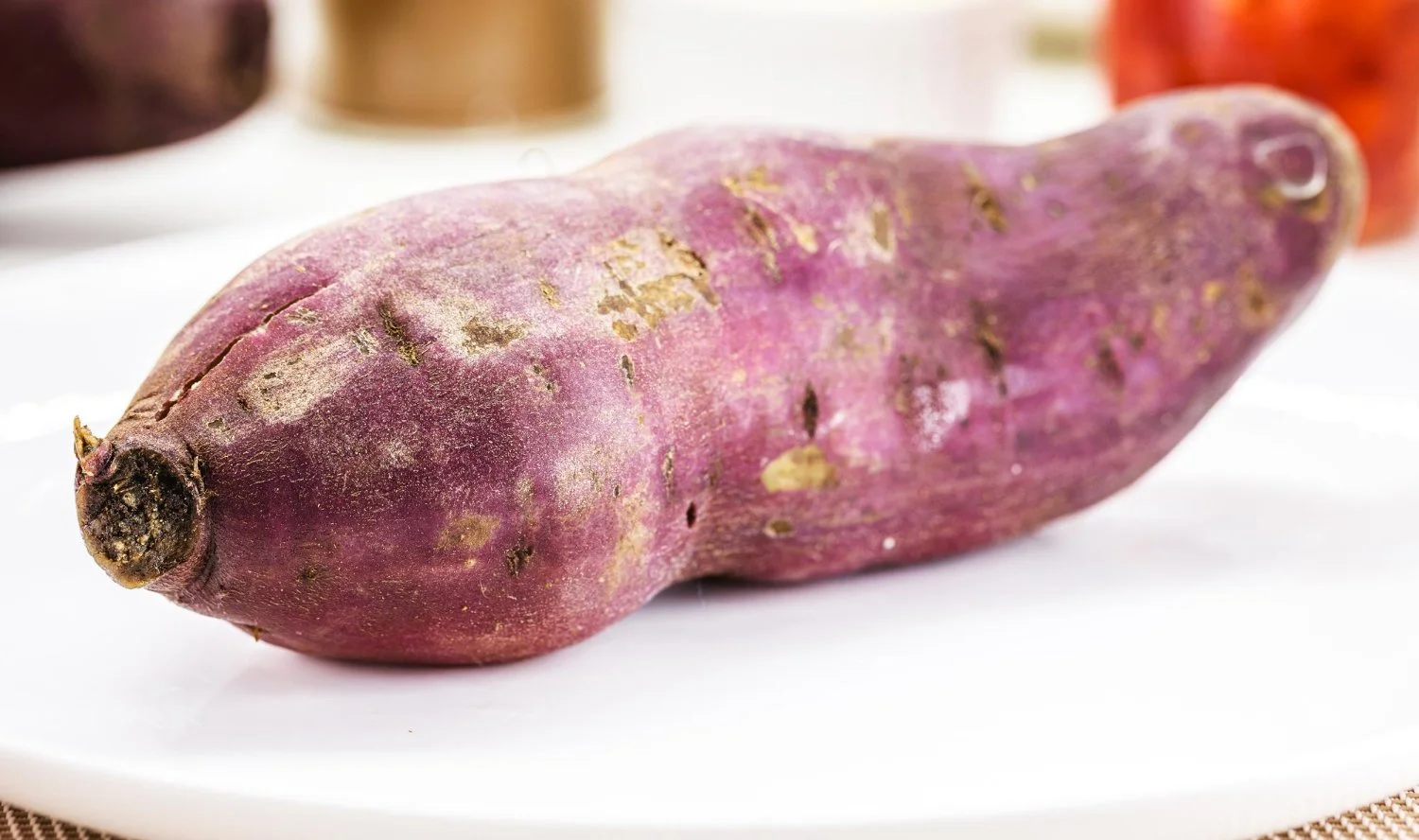
Sweet potatoes are not only delicious but they also offer numerous health benefits. They are an excellent source of essential vitamins and minerals, offer dietary fiber, and provide powerful antioxidants with anti-inflammatory properties.
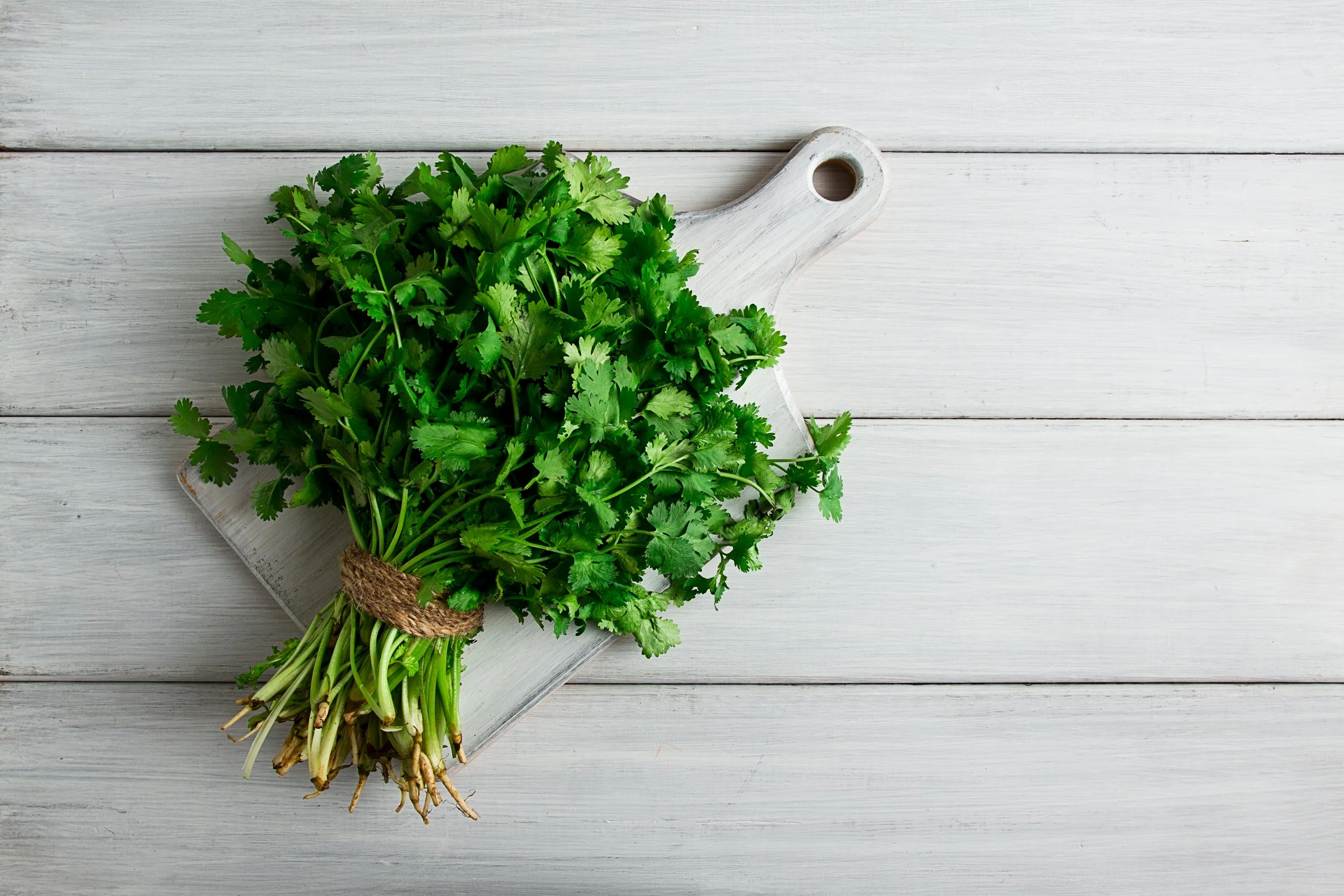
Preserving cilantro is an easy and effective way to ensure that you always have fresh herbs on hand. Whether you choose to freeze, dry, or store your cilantro in oil, you can enjoy its bright, zesty flavors all year round.

Eggs can be preserved for even up to a year with methods like Water Glassing, Mineral Oil Coating, Freezing, Pickling and Dehydrating.

Preserving food is an activity as old as humanity itself, with techniques reaching back to antiquity. Different preservation techniques were used depending on the particular food, its storage requirements and availability of resources.